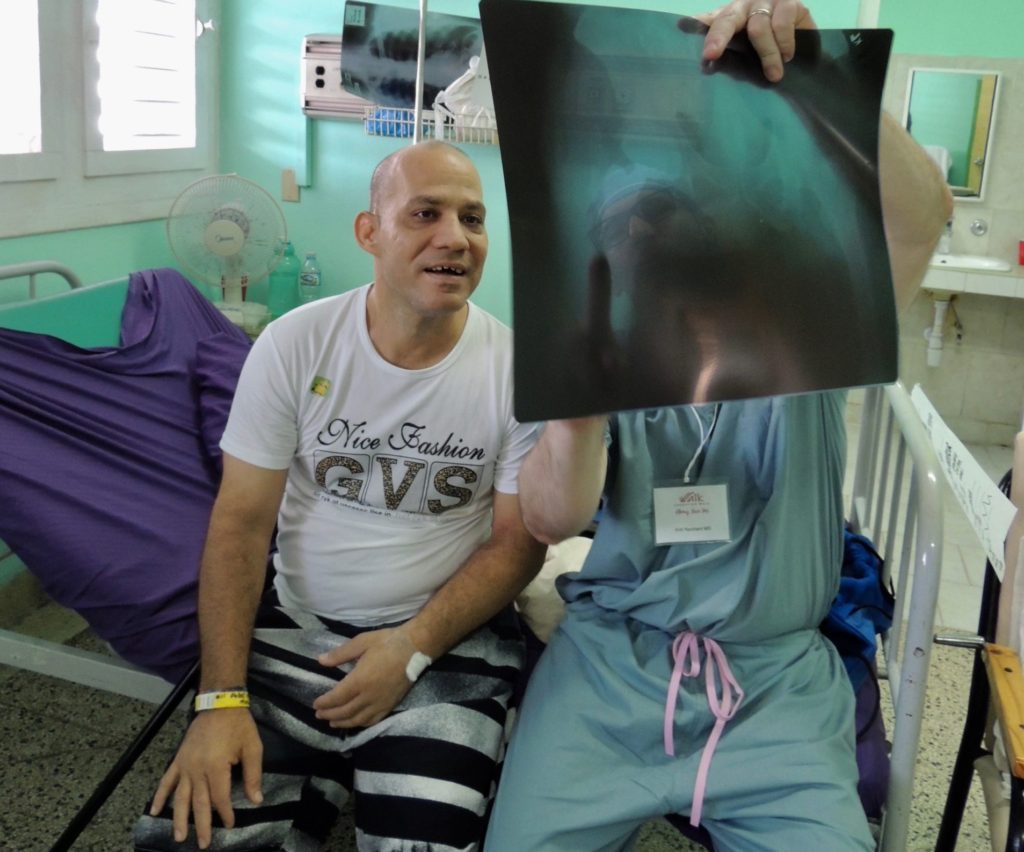
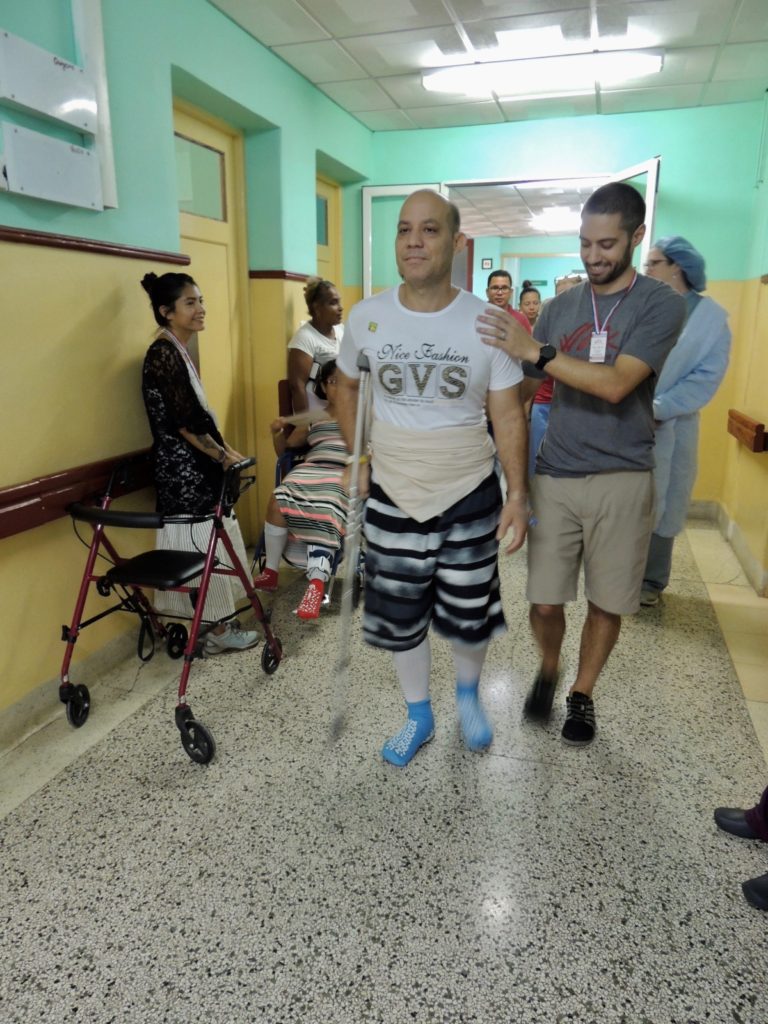
The first time I met Maria Blanco Rodriguez, there was a lot of activity swirling around us. It was screening day, a time when our team evaluates each patient. These screenings help us to identify who the best candidates are for surgery, both orthopedically and medically.
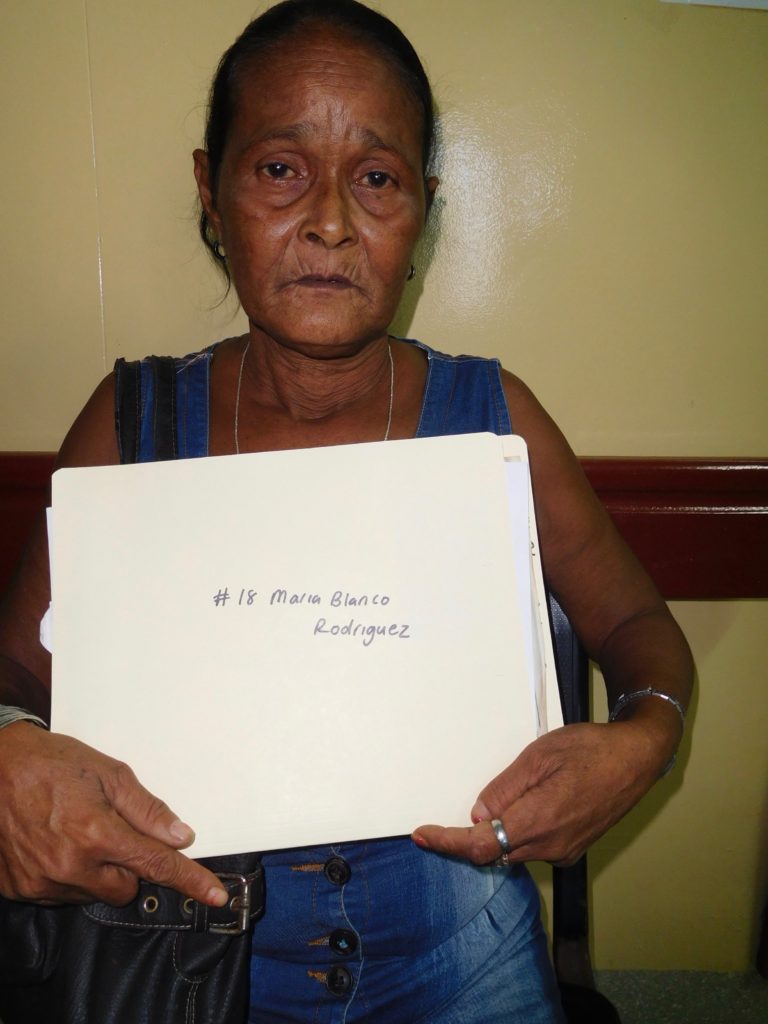
 During the screening process, each patient has their photo taken with their OPWalk number and medical file. These photos are placed in the patient’s file and used to help confirm patient identification during these first few critical hours. I had processed Maria’s photo and went to the patient waiting area to place it in her file. I identified her right away and explained that I was going to add her photograph to her file. I asked her why she didn’t have a smile for the camera and she explained that she hadn’t smiled in a long time. For nine long years, she’d been coping with excruciating pain in her right hip. This pain made it difficult for her to catch the bus each day to her job as a house cleaner. Once she arrived at work, her ability to complete her daily tasks was almost non-existent. She confided that she didn’t think she would be able to go on much longer and worried about what would happen to her and her three children.
“How can I support my family? I can’t sleep, I can’t walk to the bus, I can’t work. I’m so tired and I’m afraid that you won’t be able to help me.”
I gave Maria a hug and reassured her. As she left our waiting area and entered the screening room, I said a silent prayer that she’d be healthy enough to be selected for surgery.
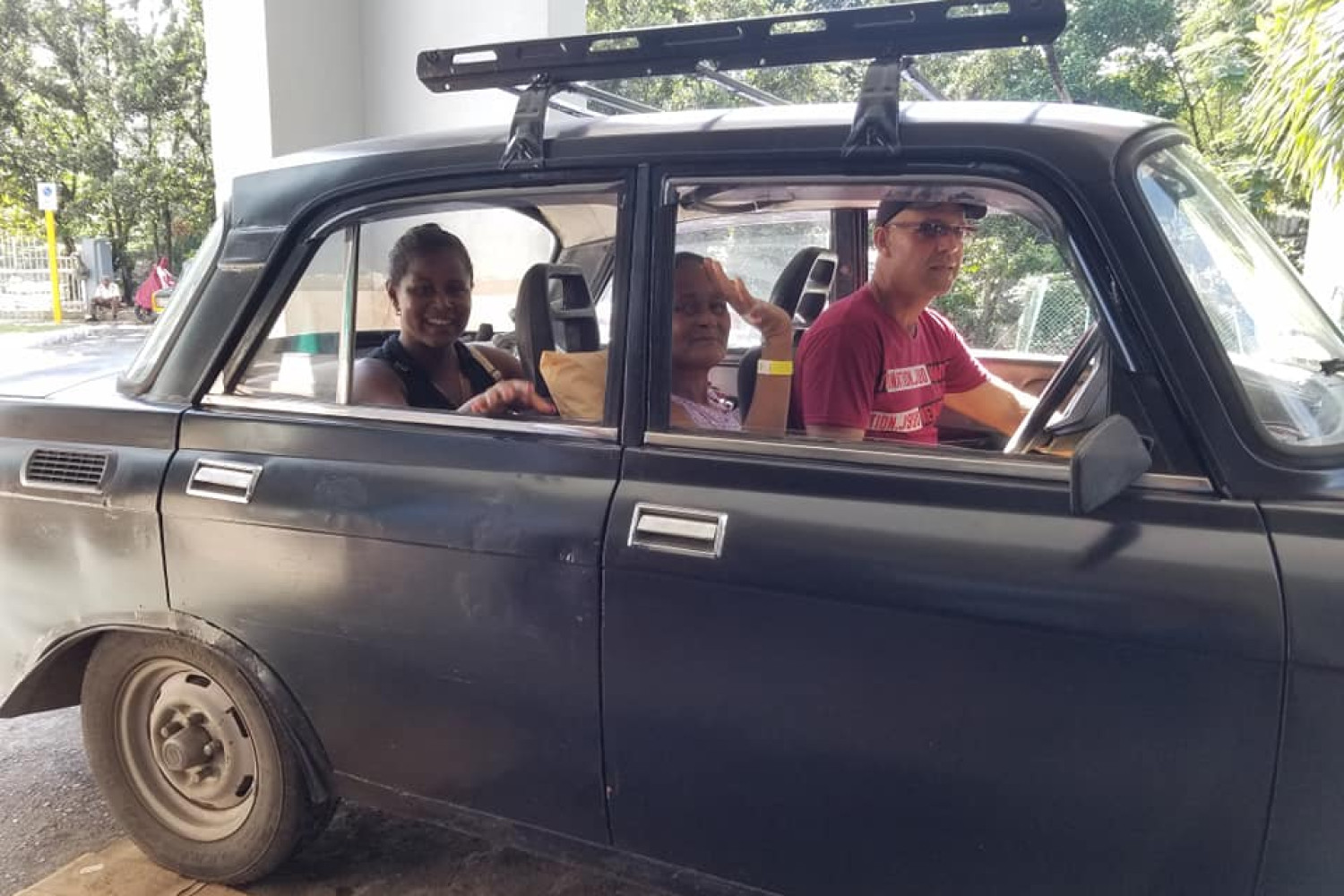
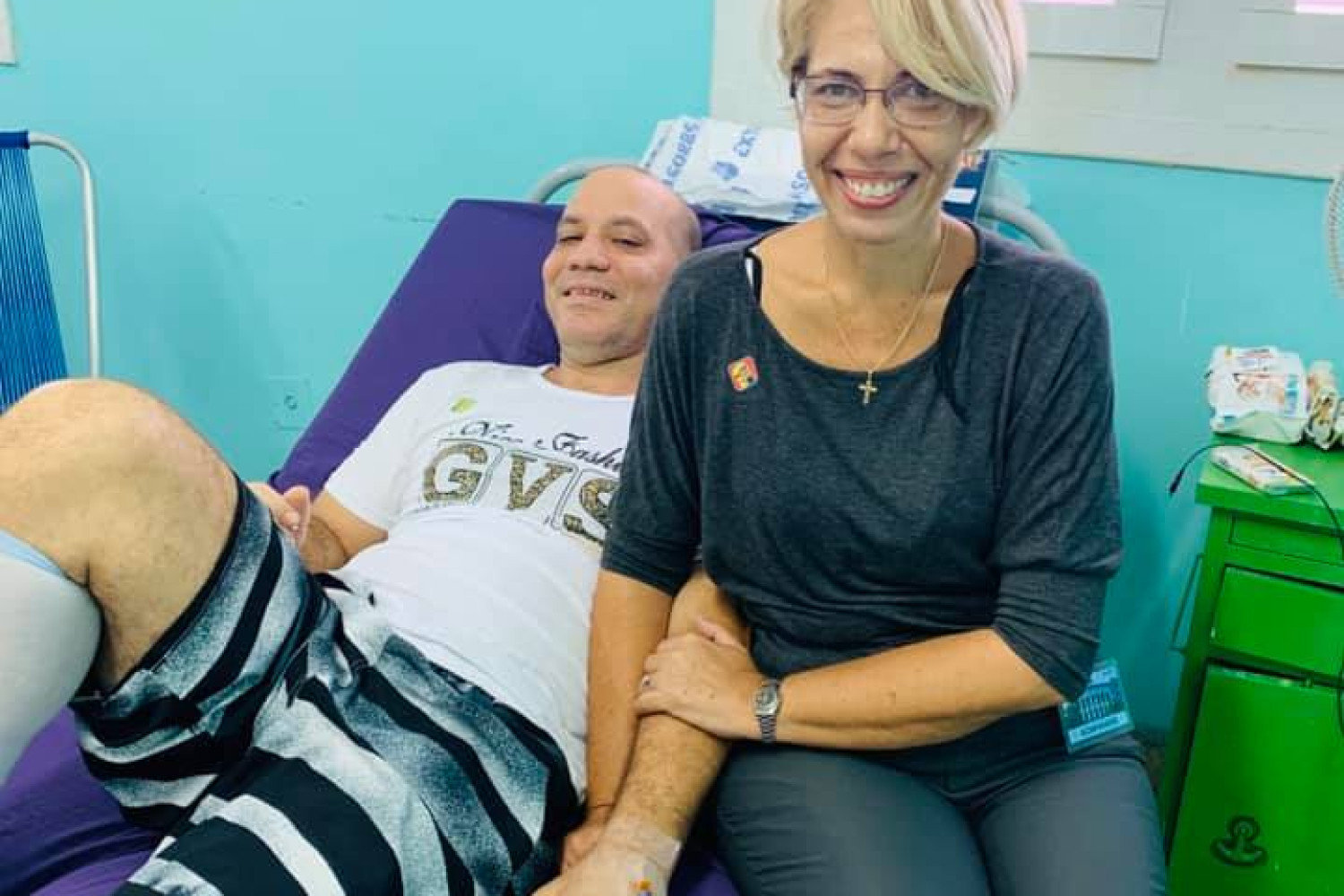
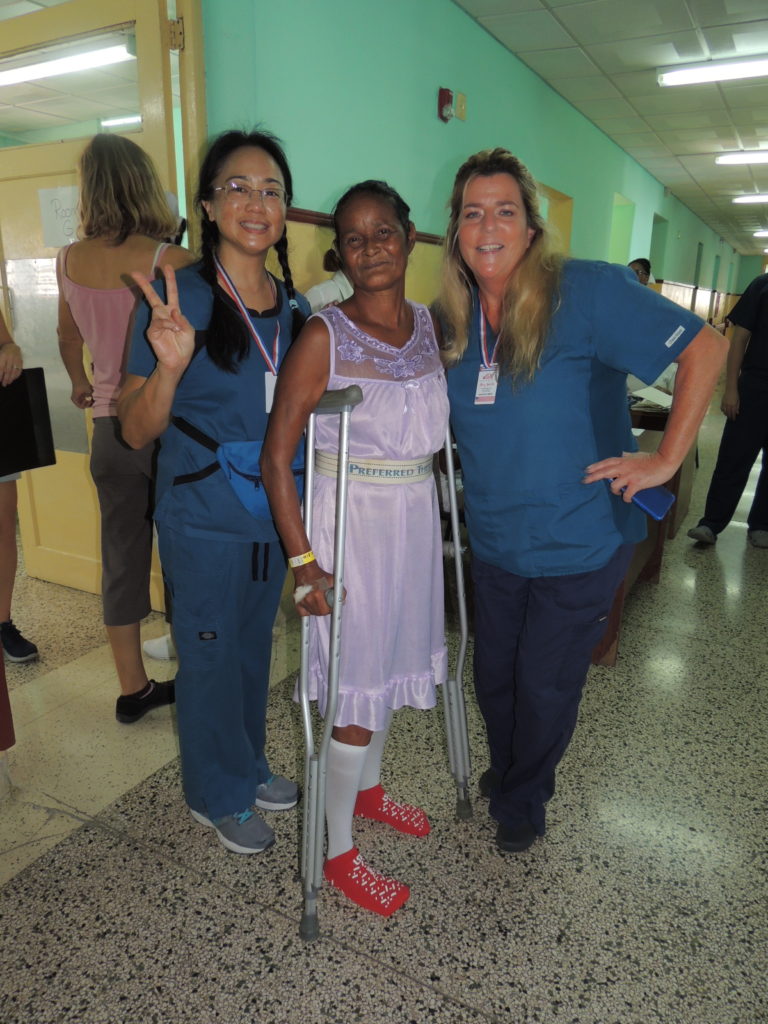
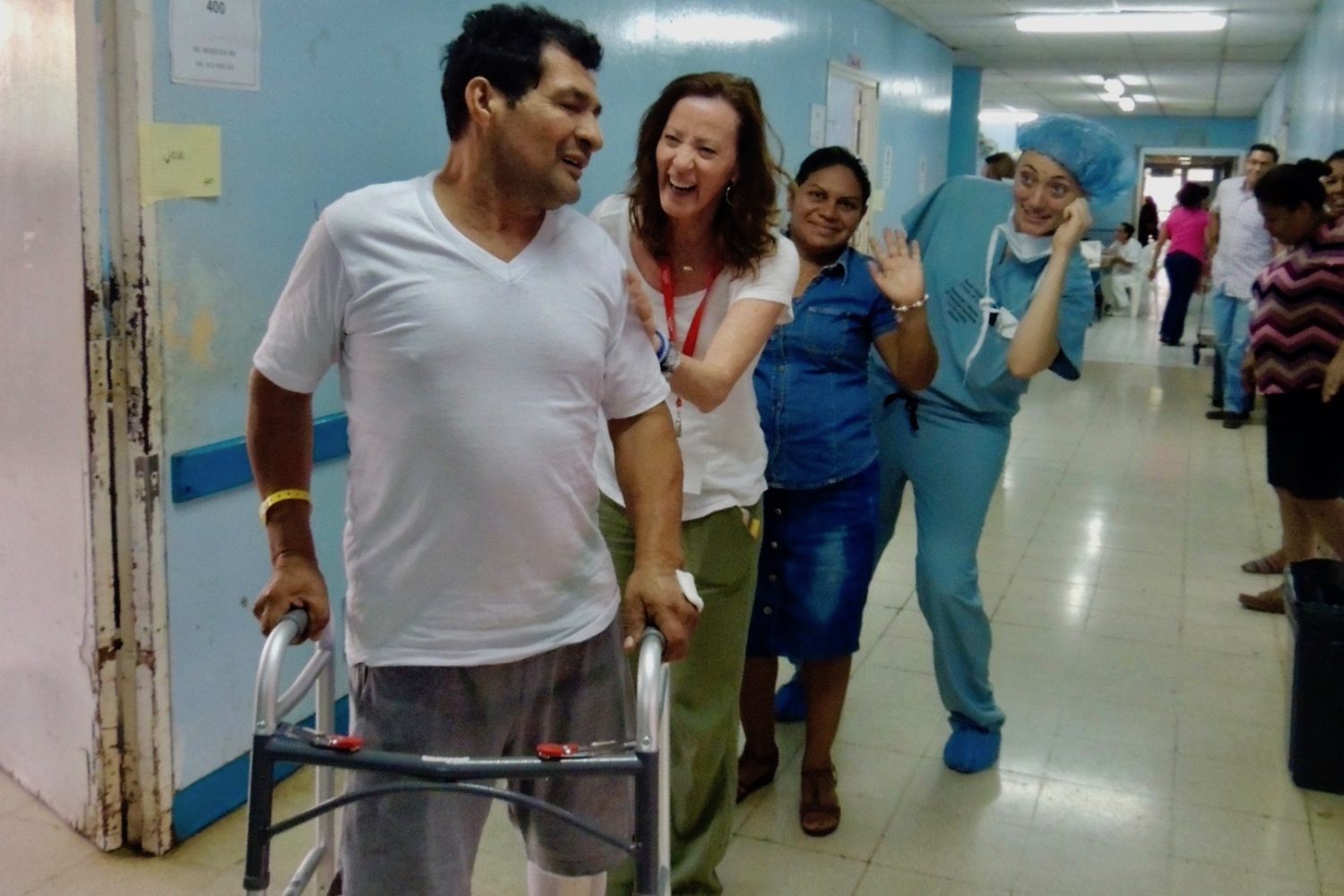
Fast-forward two days and I witnessed a completely different Maria. She’d received her hip replacement on Friday afternoon, and by Saturday morning, she was walking down the hall with our physical therapy team. What made the biggest impact on me was the smile now in permanent residence on her face. Maria told me that she felt strong and confident for the first time in years. She proudly shared she was doing so well with her recovery that she would get to return that afternoon to her children.
Maria Blanco came to us sad and withdrawn, uncertain of her future and the future of her family. Two days later, she assured me that she was leaving with hope in her heart.
“Operation Walk is the best thing that has happened to me. I am so grateful that they came to Cuba.”
 I hope all of you are staying well. A year ago we would never have dreamed how our lives would change. This pandemic, like those in the past, will change the way we do things, but will not change the human spirit of helping others. I have been in constant contact with our colleagues in Nicaragua, Guatemala, and Cuba. We are comparing statistics, treatment protocols and other information on how are countries are dealing with COVID-19. We are disappointed that our missions did not work out this year, but we all commit to getting back to the patients waiting for us as soon as it is safe to travel again.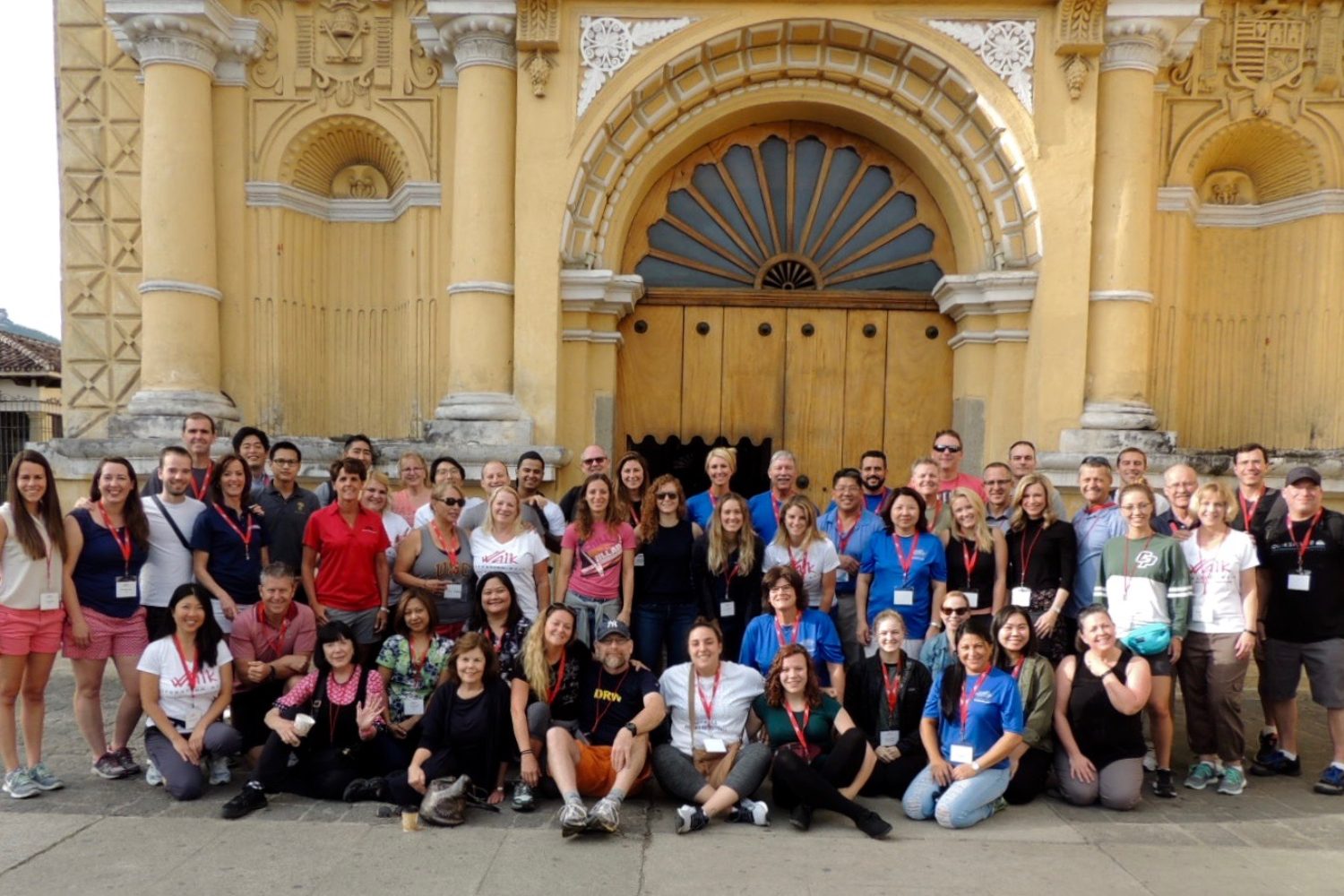
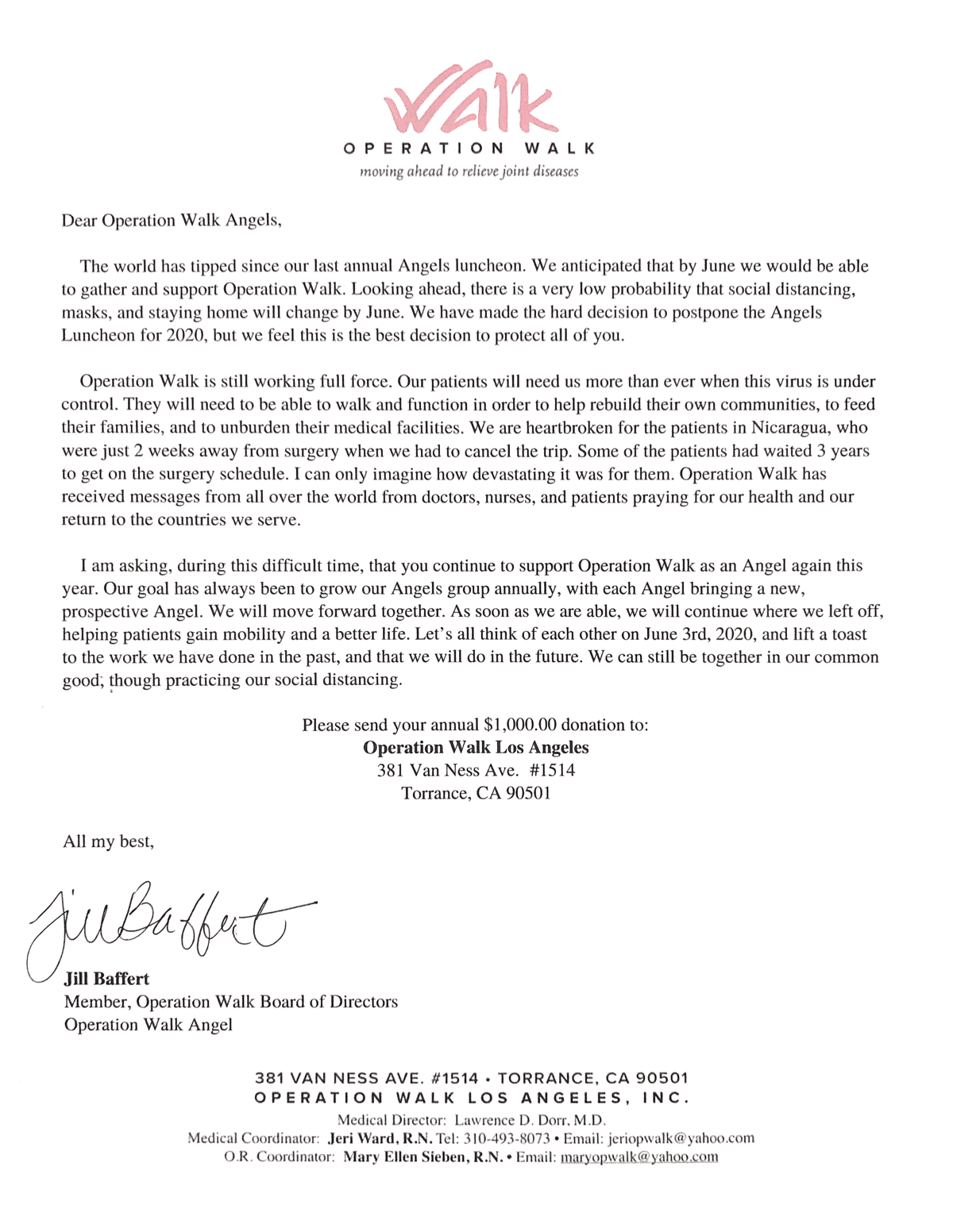
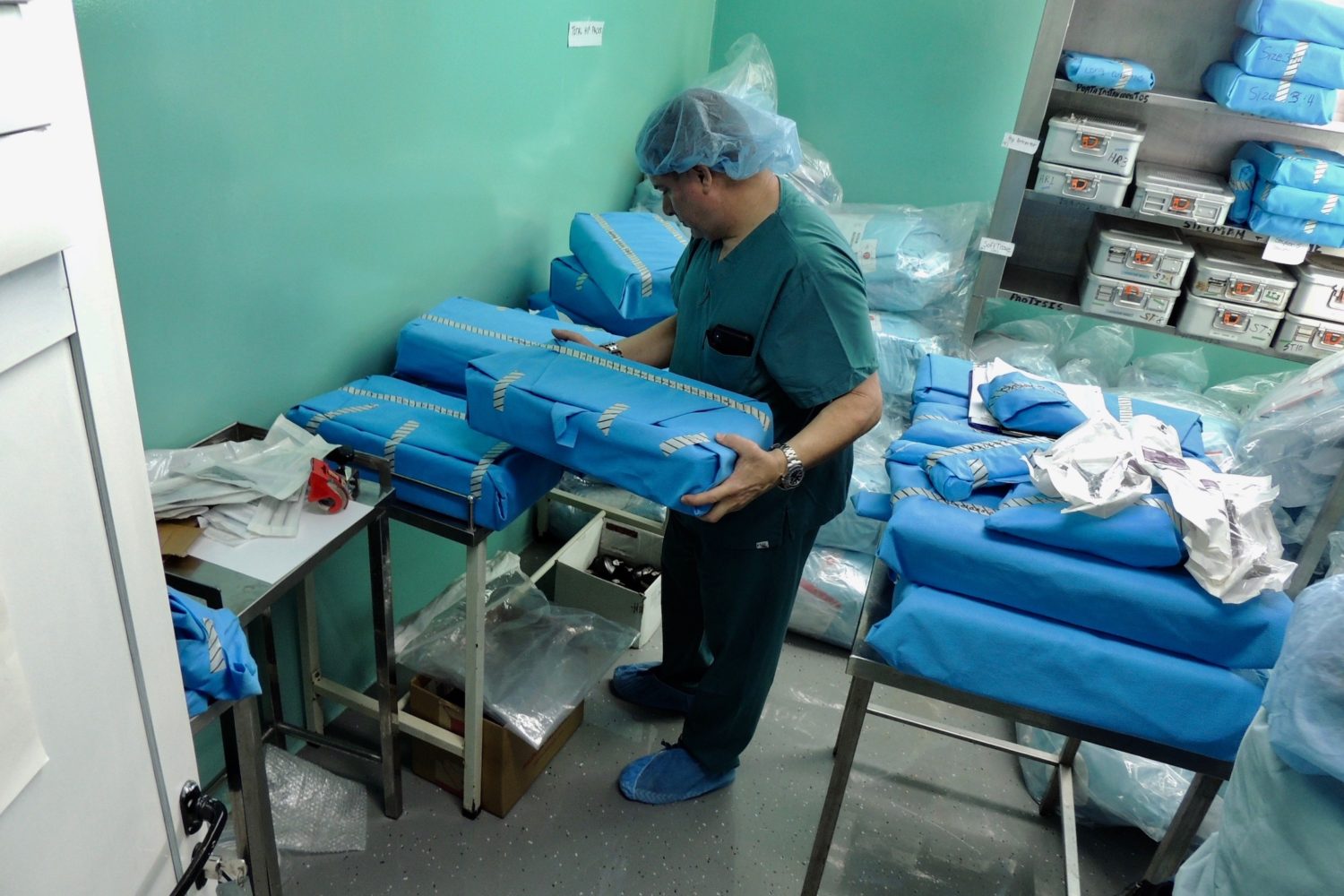

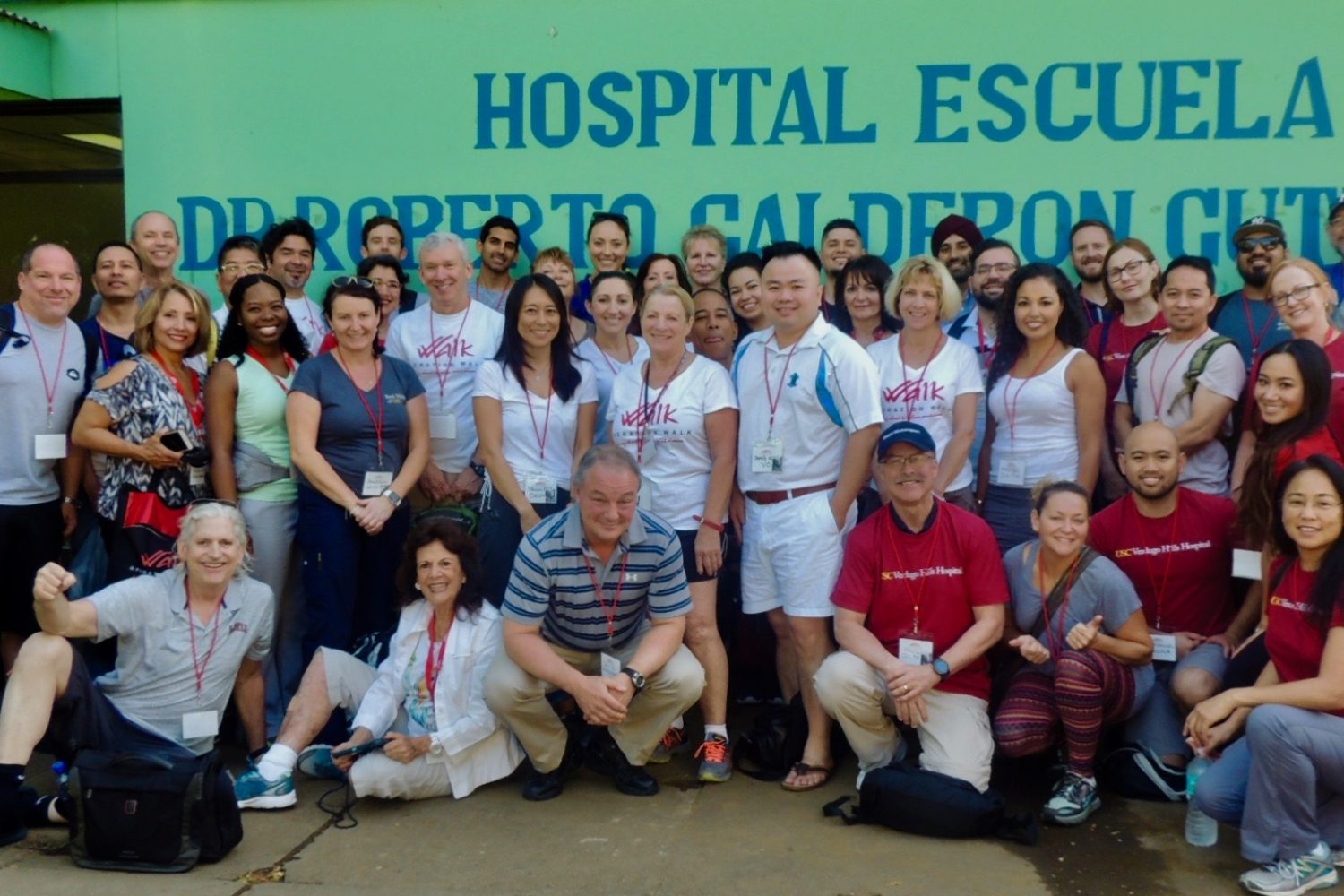
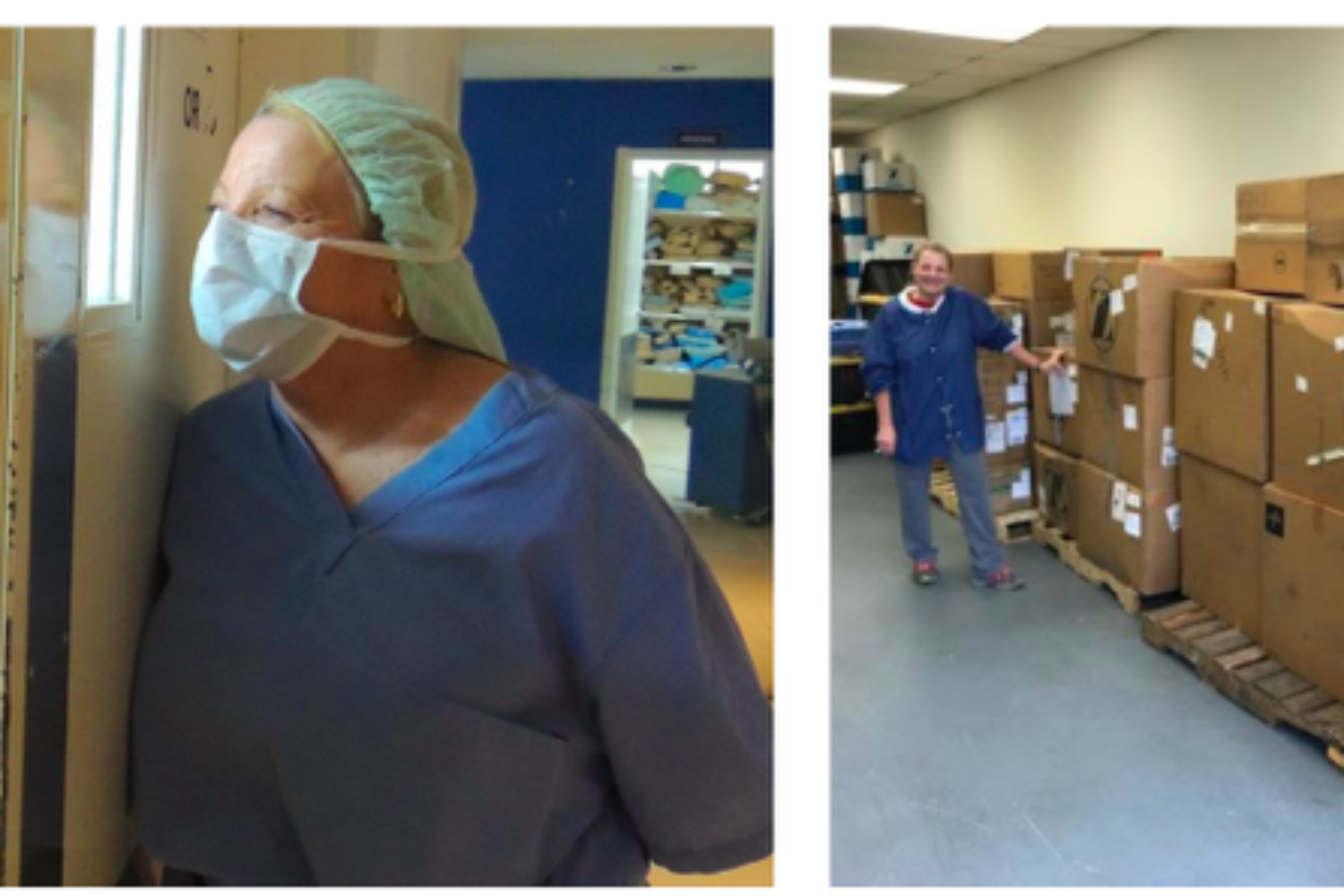
 Today, we would have been recovering 50 or more patients that received a new hip or knee replacement from our OpWalk Los Angeles team in Managua, Nicaragua. Instead, our team leaders are scrambling to distribute supplies to our own colleagues in the United States and people infected with the COVID-19 virus.